
Blogs
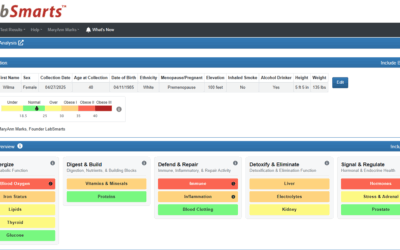
New Features: The LabSmarts 5-System Method™, Glucose Dysregulation Patterns, Stress & Adrenal Balance Section, BMI Bar Graph, & More
The newest LabSmarts updates were built around real-practitioner workflow, helping you review reports faster, compare follow-up labs more clearly, and keep the client’s bigger picture connected over time.
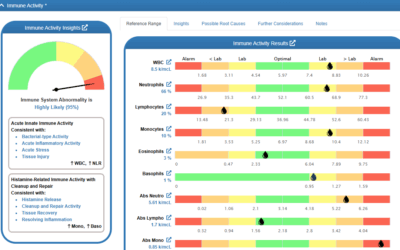
Blood Work Interpretation: Why Patterns Matter More Than High and Low Markers
Understand why blood work interpretation goes beyond high and low lab markers. Learn how analyzing patterns, context, and body systems provides deeper and more accurate health insights.
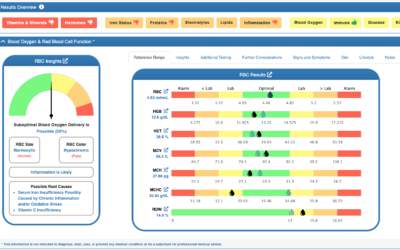
What’s New in LabSmarts: Faster Review, Easier Navigation, and Better Follow-Up Reports
The newest LabSmarts updates were built around real-practitioner workflow, helping you review reports faster, compare follow-up labs more clearly, and keep the client’s bigger picture connected over time.

Blood Work Interpretation: How to Help Clients Understand Their Lab Results
Assessing the sodium-to-potassium (Na/K) ratio offers valuable insights into electrolyte balance and overall health, reflecting the body’s response to stress, inflammation, and adrenal function. By monitoring this key ratio, practitioners can detect early signs of imbalance, guiding more personalized and effective health interventions.
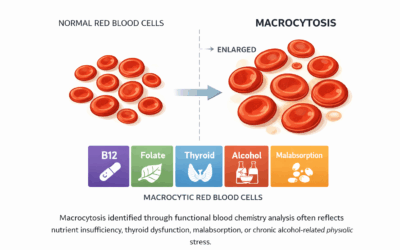
Functional Blood Chemistry Analysis Case Study: When “Normal” Labs Concealed Chronic Alcohol Stress
A clinical case study demonstrating how functional blood chemistry analysis uncovered chronic alcohol-related physiologic stress hidden within “normal” labs using pattern-based interpretation.

Introducing the LabSmarts Hormones Panel
Our new release automatically adjusts reference ranges for hormones based on menstrual phase, menopausal status, pregnancy trimester, age, and sex.

Importance of Assessing the Sodium-to-Potassium Ratio (Na/K)
Assessing the sodium-to-potassium (Na/K) ratio offers valuable insights into electrolyte balance and overall health, reflecting the body’s response to stress, inflammation, and adrenal function. By monitoring this key ratio, practitioners can detect early signs of imbalance, guiding more personalized and effective health interventions.

Why Would Vitamin B6 Be High Instead of Low in Hyperthyroidism?
Risk of excess clotting may be present when platelets and fibrinogen are greater than optimal levels. Risk of excess clotting may be present when platelets and fibrinogen are greater than optimal levels.
Avoid Iron Supplements with These Types of Anemia
Check out how easy it is to add or edit a client in LabSmarts!

Did You Know C-peptide is a Better Measure of Insulin Production?
Risk of excess clotting may be present when platelets and fibrinogen are greater than optimal levels. Risk of excess clotting may be present when platelets and fibrinogen are greater than optimal levels.
Videos
Instagram Feed

